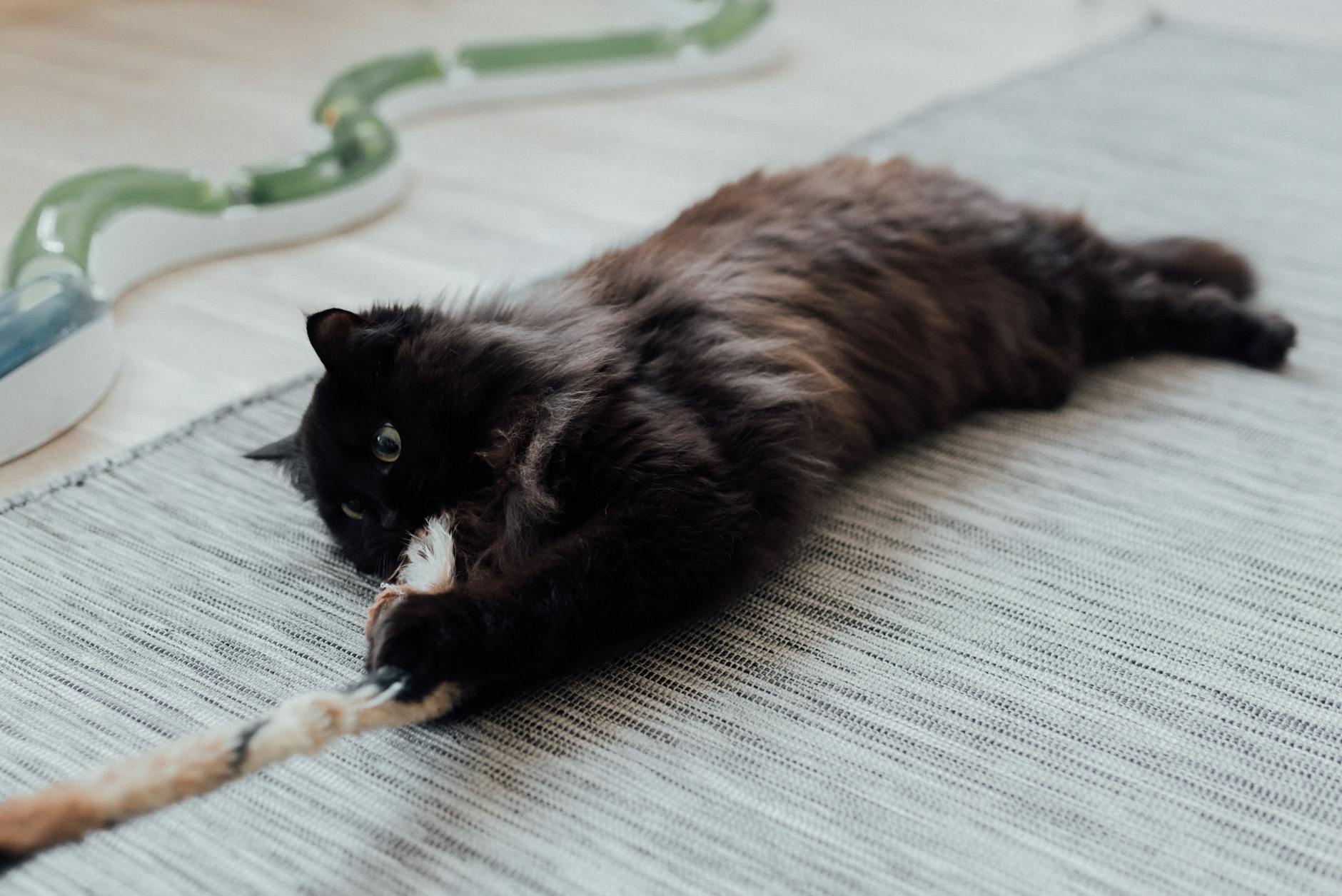
If you’ve ever seen your cat lunging for your favorite spider plant or rolling around ecstatically on a tiny felt mouse, you’ve likely encountered the "greens" dilemma. In 2026, we’re more conscious than ever about what goes into our pets' bodies, making the distinction between these two plants more important than ever. But when it comes to cat grass versus catnip, many owners are left wondering: is one a snack and the other a drug? The truth is, both have unique places in a happy cat’s life, but they serve entirely different biological and behavioral needs. Let’s dive into the details so you can curate the perfect indoor garden for your feline friend.
Cat Grass: The Ultimate Digestive Helper
Cat grass isn't a specific species of plant; it’s usually a mix of cereal grains like wheat, oat, barley, or rye. Unlike the grass on your lawn, which might be treated with pesticides or contain parasites, home-grown cat grass is a safe, fiber-rich supplement. Why do cats crave it? In the wild, cats eat grass to help settle their stomachs and expel indigestible matter, like fur and feathers. For your indoor kitty, cat grass acts as a natural laxative, helping hairballs pass through the digestive tract more smoothly. It also provides essential nutrients like folic acid, which supports hemoglobin production.
To get the best results, place a small pot of cat grass in a sunny spot where your cat can easily access it. A practical tip: grow two pots simultaneously. While your cat nibbles on one, the other can be recovering or regrowing, ensuring a constant supply of fresh greens. Replace the pot once the grass starts to yellow or wilt to keep the fiber content at its peak. This simple addition to your home can significantly reduce the number of messy hairballs you have to clean up off the carpet.
Catnip: The Recreational Herb for Enrichment
If cat grass is the healthy salad, catnip is the glass of wine at the end of a long day. Catnip (Nepeta cataria) belongs to the mint family and contains an oil called nepetalactone. When cats sniff it, it triggers a pheromone-like response that can lead to rolling, purring, or even a sudden burst of "zoomies." However, keep in mind that not all cats are affected by it—roughly 30% to 50% of cats lack the genetic trait to respond to catnip. For those who do enjoy it, the effect usually lasts about 10 to 15 minutes before their senses reset.
Use catnip as a tool for environmental enrichment rather than a daily food source. You can sprinkle dried catnip on a new scratching post to encourage its use or tuck fresh leaves into a toy to stimulate play. Since it’s a stimulant when smelled but often a sedative when eaten, it’s a versatile tool for managing your cat's energy levels. Just remember to store your stash in an airtight container in the freezer to keep the oils potent and fresh.
Safety First: Growing Your Green Thumb
While both plants are generally safe, there are a few rules to follow to keep your kitty healthy. Always ensure any plant you offer your cat is certified organic or grown by you from seed to avoid toxic chemicals. If your cat tends to overeat cat grass to the point of frequent vomiting, try limiting their access to just 10-15 minutes a day. For catnip, less is usually more. Offering it once or twice a week keeps the experience "novel" and prevents your cat from becoming desensitized to its effects. By balancing the digestive benefits of grass with the mental stimulation of catnip, you’re providing a holistic environment that satisfies your kitty’s natural instincts.
→ Shop Cat Grass vs. Catnip: What Does Your Kitty Actually Need? on Amazon