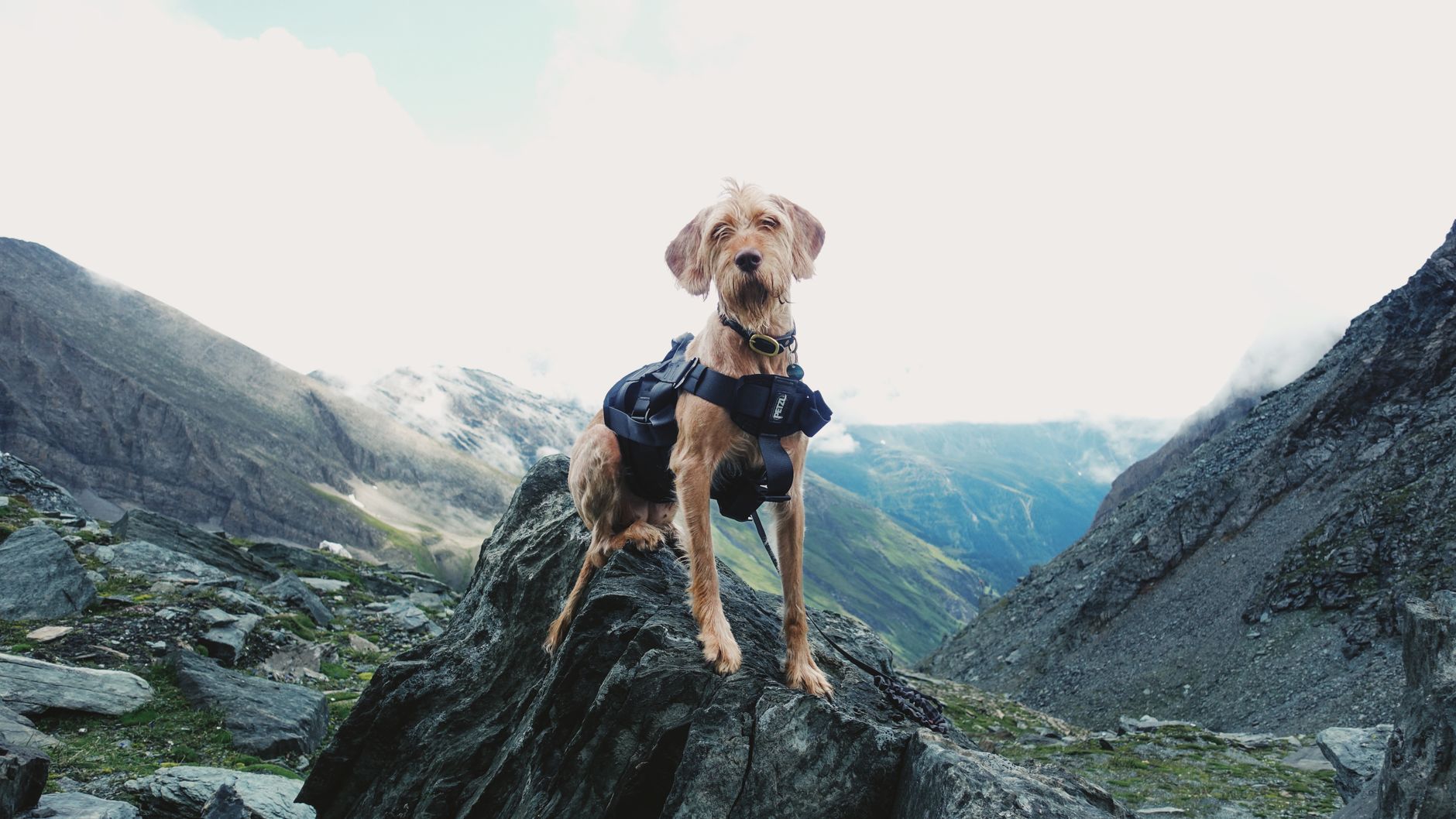
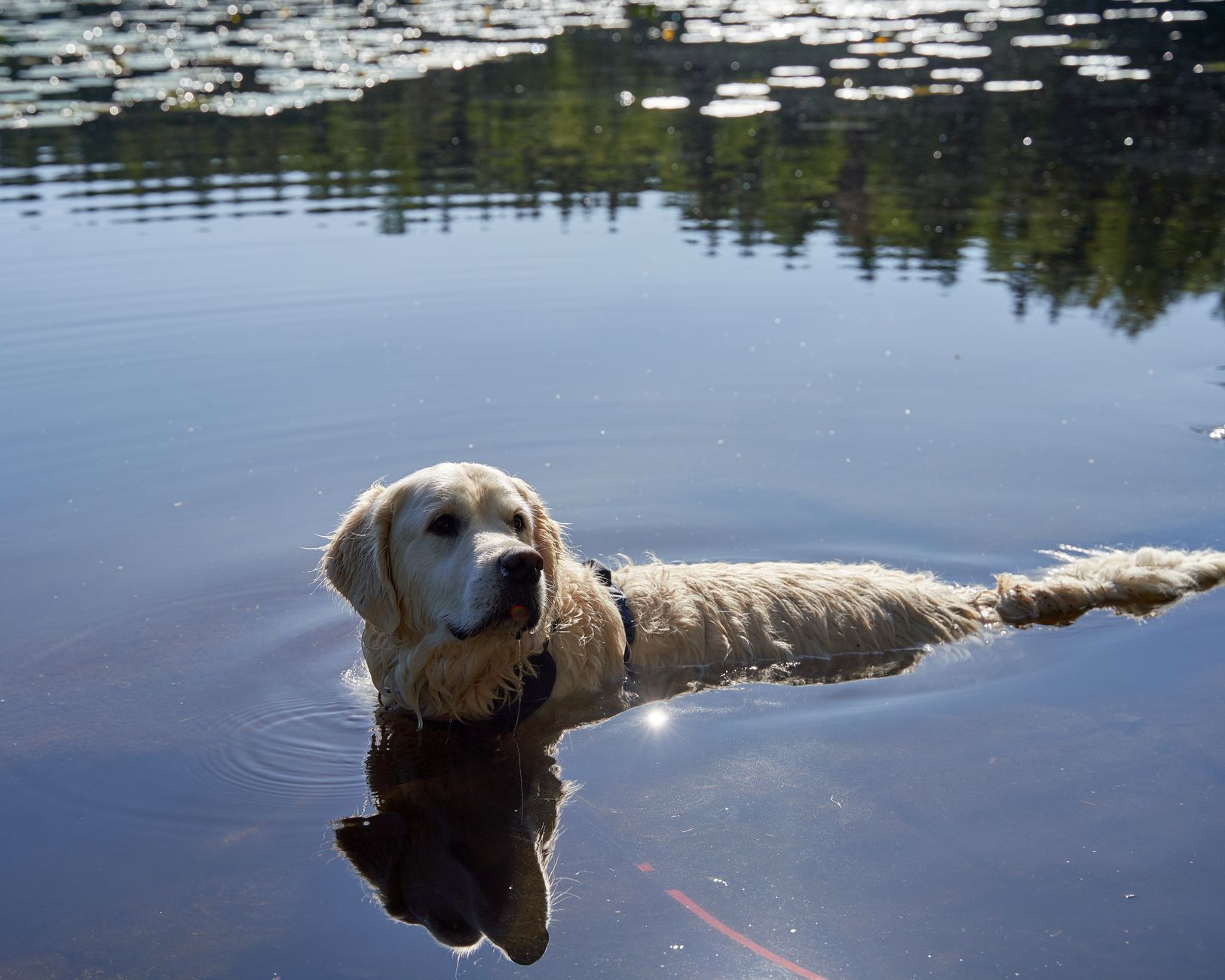
There is no feeling quite like the cold spike of panic that sets in when your dog disappears from sight during a walk or slips out through an unlatched gate. Every pet parent’s worst nightmare is a lost furry friend. Thankfully, as we move through 2026, the technology behind GPS dog trackers has become more accessible, accurate, and lightweight than ever before. These small devices provide a digital safety net, allowing you to pinpoint your dog’s exact location right from your smartphone. Whether you have a professional escape artist or you just want extra peace of mind during off-leash hikes, a GPS tracker is one of the best investments you can make for your pet’s safety and your own sanity.
The Benefits of Real-Time Tracking
Most modern trackers use a combination of GPS, cellular data, and sometimes Bluetooth to give you a live update on your dog's whereabouts. Unlike microchips, which are passive and only work if someone finds your dog and takes them to a vet to be scanned, a GPS tracker lets you take a proactive approach. You can see in real-time if they’ve wandered into the neighbor’s yard or if they are miles away in a local park. Many devices now include 'Virtual Fences' or geofencing features. This allows you to set a safe zone, like your home and backyard. If your dog crosses that digital line, you get an instant alert on your phone, often before they have even reached the end of the street. This immediate notification can make the difference between a quick recovery and a long, stressful search.
Choosing the Right Tracker for Your Dog
Not all trackers are created equal, so it is important to find one that fits your dog’s specific lifestyle. First, consider the size and weight of the unit; a tracker designed for a large breed might be too bulky and uncomfortable for a small terrier. Battery life is another critical factor to investigate. Look for a device that lasts at least several days on a single charge, especially if you enjoy long camping trips where power might be limited. Water resistance is a must-have—after all, many dogs love to find the only muddy puddle in the park! Finally, check the coverage area. Most GPS trackers require a small monthly subscription to cover cellular data costs, so ensure the service provider has a strong signal in your specific neighborhood and the rural areas where you usually walk.
Actionable Tips for Maximum Safety
To get the most out of your tracking device, follow these practical tips. Always attach the tracker to a high-quality, secure collar that won't snap or slip off easily. Make it a habit to check the battery level every Sunday evening so the device is fully charged for the week ahead. It is also a great idea to test the 'Live Tracking' mode occasionally in a safe environment; this ensures you know exactly how the app responds when every second counts. Remember, while technology is amazing, it should complement—not replace—a standard ID tag with your current phone number. By combining traditional identification with 2026’s high-tech tracking, you ensure your dog is as safe as possible wherever they roam.
→ Shop GPS Dog Trackers: Never Lose Your Furry Friend Again. on Amazon