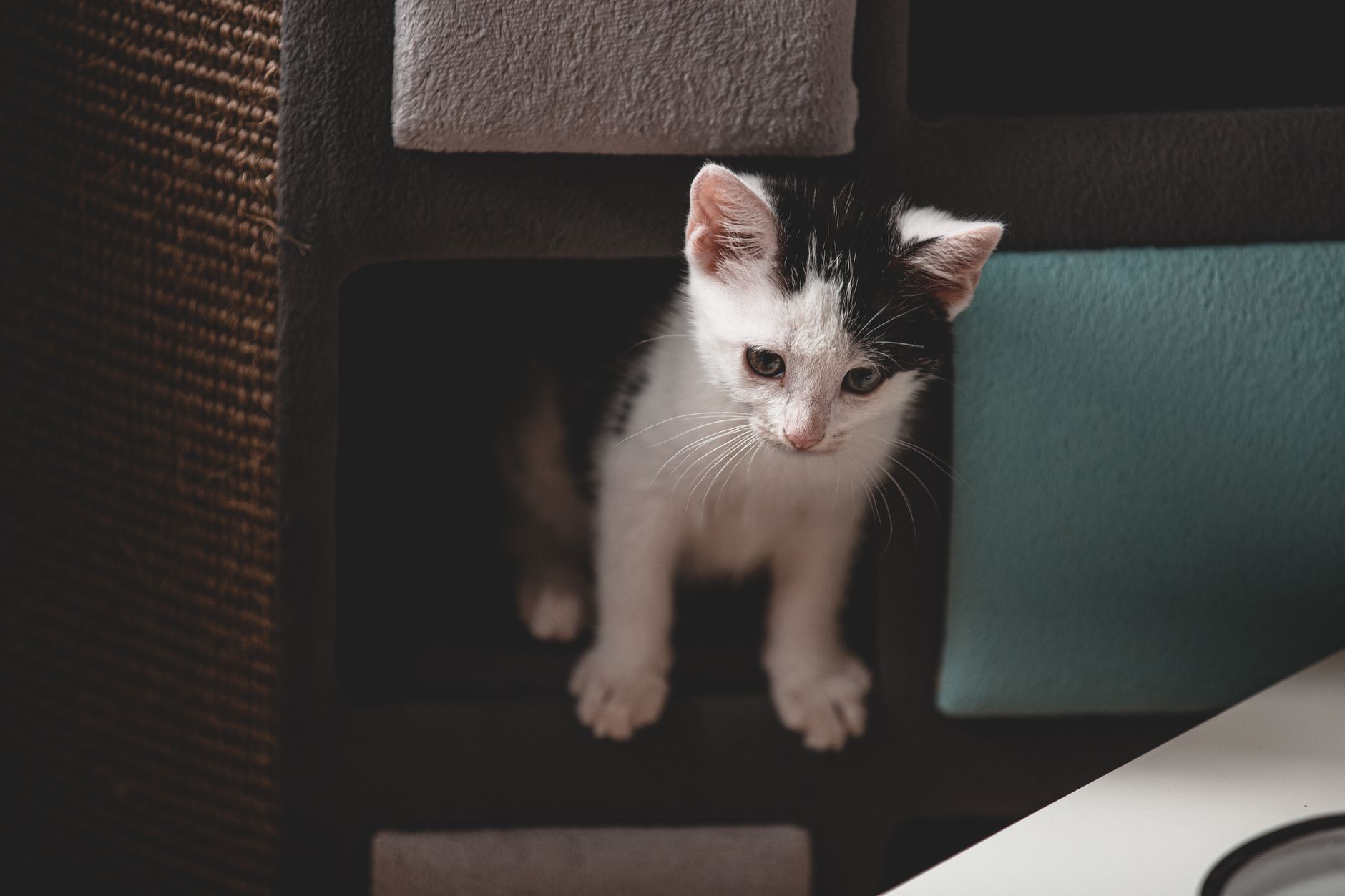
When you welcome a tiny, playful kitten into your home, it’s a joyous occasion! But for your resident cat, it can feel like a sudden invasion of their territory. The key to a happy multi-cat household isn't hoping they'll just figure it out; it's about making thoughtful, gradual introductions. Think of yourself as a feline matchmaker, gently guiding your new kitten and resident cat towards a lasting friendship. With patience, understanding, and the right approach, your furry family can grow together harmoniously.
Phase One: The Scent-sational Separation
The very first step is to establish a completely separate sanctuary for your new kitten. This isn't just for the kitten's safety and comfort; it's vital for a stress-free introduction. Set up a spare room (or even a large bathroom) with everything your kitten needs: food, water, a litter box, a scratching post, and toys. This gives your kitten a safe space to decompress and get used to the sounds and smells of your home without the added pressure of meeting the resident cat.
While they're separate, the real work begins: scent swapping! Cats communicate heavily through scent, so mixing their smells is crucial. Gently rub a towel or a soft cloth on your resident cat's cheeks and body, then place it in the kitten's room. Do the same with the kitten, introducing their scent to your resident cat's main living areas. This allows them to become familiar with each other's presence without any direct, potentially stressful, confrontation. Reward positive reactions with treats and praise for both cats.
Phase Two: The First Glimpse & Supervised Sniffing
Once both cats seem comfortable with each other's scents and are eating normally, it's time for the next step: visual introduction. This should always be supervised and short. You can use a baby gate to allow them to see each other from a safe distance, or place the kitten in a secure carrier while the resident cat is in the room. The goal here is curiosity, not confrontation. Keep the first few visual meetings brief – just a few minutes – and end on a positive note. Offer treats to both cats while they are in sight of each other to create positive associations.
During these encounters, pay close attention to their body language. Hissing and growling are signs of discomfort, indicating you might need to slow down. Calm curiosity, sniffing, or even ignoring each other are good signs. If things get tense, separate them immediately and try again later. Never force an interaction. Gradually increase the duration of these visual meetings, always ensuring they remain positive and stress-free. Interactive play with a wand toy can also be a great distraction, redirecting their focus from each other to the game.
Phase Three: Building Bonds & Peaceful Coexistence
When brief, supervised visual interactions are consistently positive, you can move towards short, direct meetings. Start with mealtime, placing their food bowls on opposite sides of a room. This encourages them to associate each other's presence with a rewarding experience. Always be present to supervise these interactions. Ensure both cats have escape routes and places to hide if they feel overwhelmed.
Gradually, you can increase the time they spend together, always ending before any signs of stress appear. Encourage shared playtime with toys like feather wands, but ensure there are enough toys for both to avoid competition. Remember, building a strong feline friendship takes time. Some cats bond quickly, while others may take weeks or even months to truly tolerate, let alone love, each other. Patience, consistency, and positive reinforcement are your most powerful tools in fostering a harmonious home for all your feline friends.
→ Shop How to Introduce a New Kitten to Your Resident Cat on Amazon