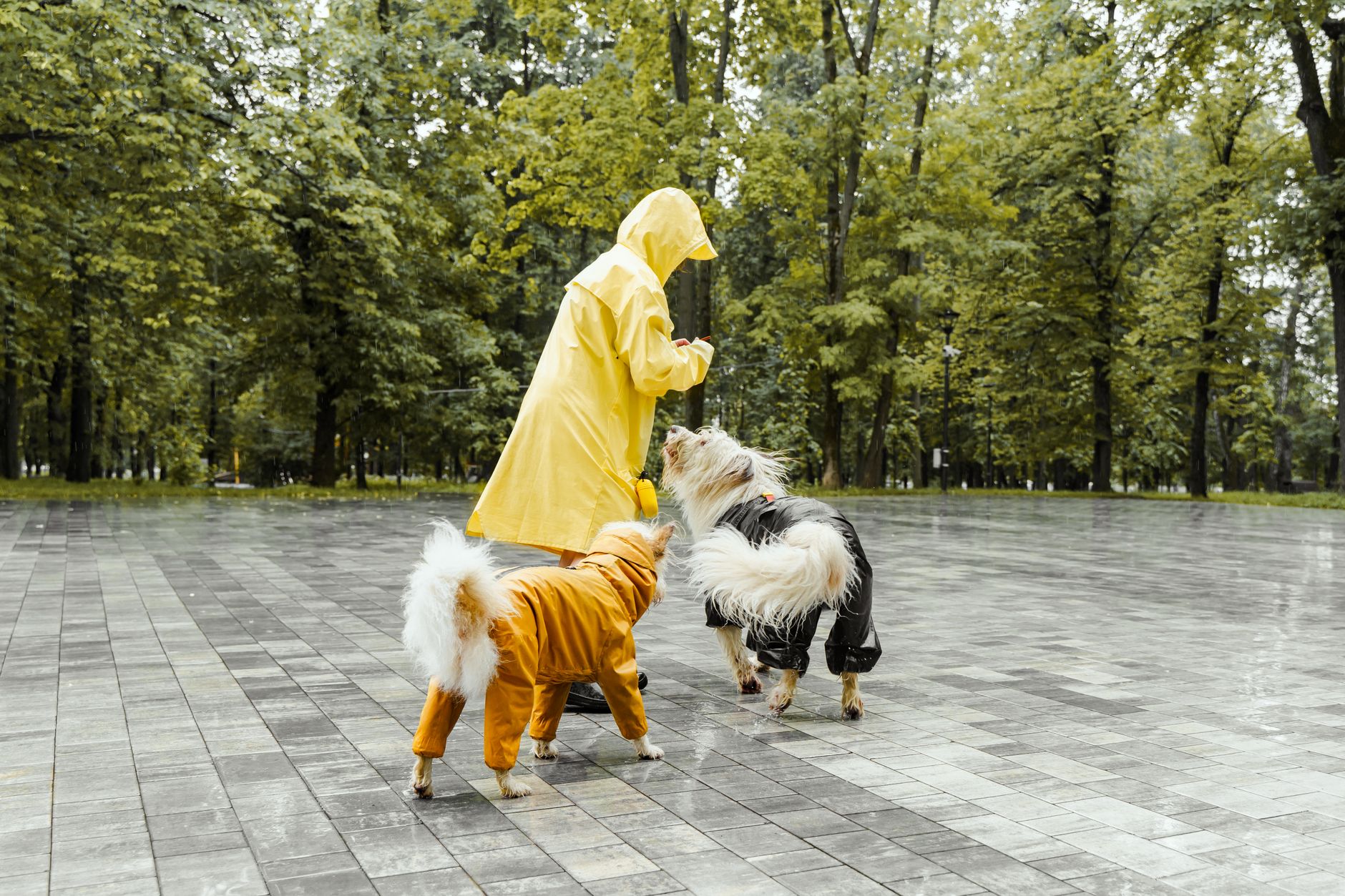
Our furry best friends communicate with us constantly, not through words, but through an intricate dance of tail wags, ear positions, and subtle shifts in posture. Learning to speak "dog" is not just fascinating; it's a vital skill for safety, preventing misunderstandings, and building a stronger, more trusting relationship with your canine companion and others you meet. This guide will help you decode those non-verbal cues, making you a more confident and responsible dog owner or admirer.
Decoding Comfort & Happiness
A happy, comfortable dog is a joy to behold, and their body language is often quite clear. Look for a relaxed overall posture: soft eyes, a slightly open mouth (often with a "smile"), and ears in a natural, unforced position. Their tail might wag in a broad, loose, mid-to-high arc, sometimes involving their whole body. A "play bow" (front end down, rear end up, tail wagging) is an unmistakable invitation to play. A dog that leans into you or offers a relaxed belly rub position is showing immense trust and contentment.
Actionable Tip: When a dog displays these positive signals, reinforce the good vibes with gentle praise, a favorite toy, or a tasty treat. This builds their confidence and strengthens your bond. Never force interaction if a dog is showing comfort signals but seems hesitant; always let them initiate.
Recognizing Stress, Fear & Warnings
Equally important, for both your safety and your dog's well-being, is recognizing signs of stress, fear, or discomfort. These are often subtle but escalate if ignored. Early signs include lip licking, yawning (when not tired), turning their head away, or showing "whale eye" (where the whites of their eyes are visible). As discomfort increases, you might see a stiff posture, a low or tucked tail, flattened ears, or piloerection (hair standing up on their back). Growling is a clear warning sign, often preceded by these more subtle cues; it's a dog saying, "Please stop, I'm uncomfortable." Never punish a growl, as it removes a vital communication tool.
Actionable Tip: If you observe any of these stress signals, immediately create space and remove the perceived threat. This could mean stepping back, giving the dog room, or ending an interaction. Don't force a dog to "say hello" or endure an uncomfortable situation, especially with children or strangers. Respecting these boundaries is key to preventing bites and fostering trust.
Safe Interactions: A Golden Rule
Whether it’s your dog or one you encounter at the park, practicing safe interaction habits is crucial. Always ask a dog's owner for permission before approaching or petting their dog. Approach slowly, from the side, and allow the dog to come to you and sniff your hand (palm down) first. Avoid direct eye contact, towering over them, or reaching immediately for their head. Instead, aim for the chest or shoulder if they seem receptive. Teach children to be gentle and calm, never to chase, pull tails, or disturb a dog that is eating or sleeping.
By becoming fluent in your dog's silent language, you not only deepen your connection but also become a guardian of safety for both your pet and your community. Understanding these cues helps you navigate the world with confidence, ensuring happy, safe interactions for everyone.
→ Shop Understanding Your Dog’s Body Language: A Safety Guide on Amazon