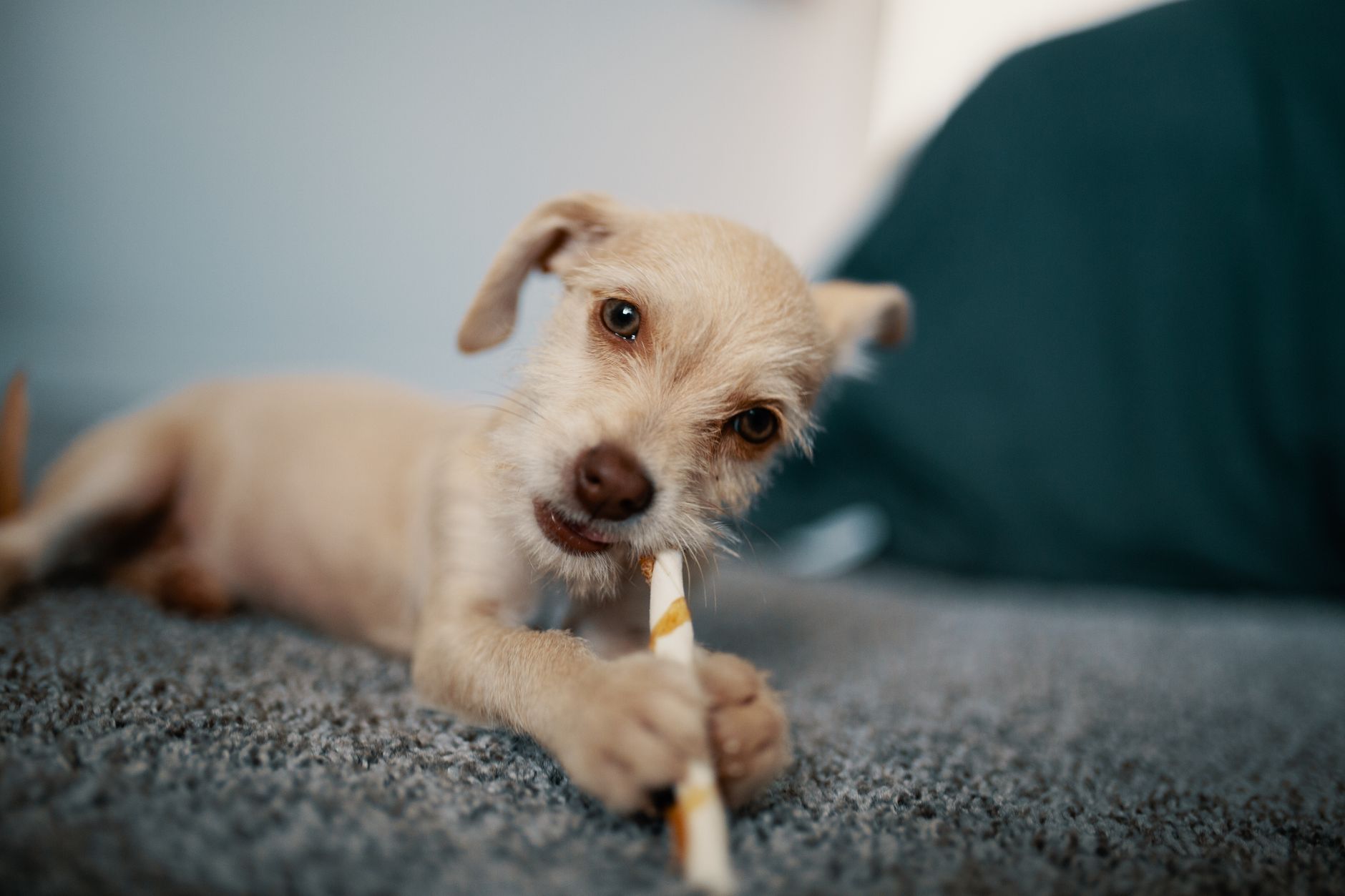
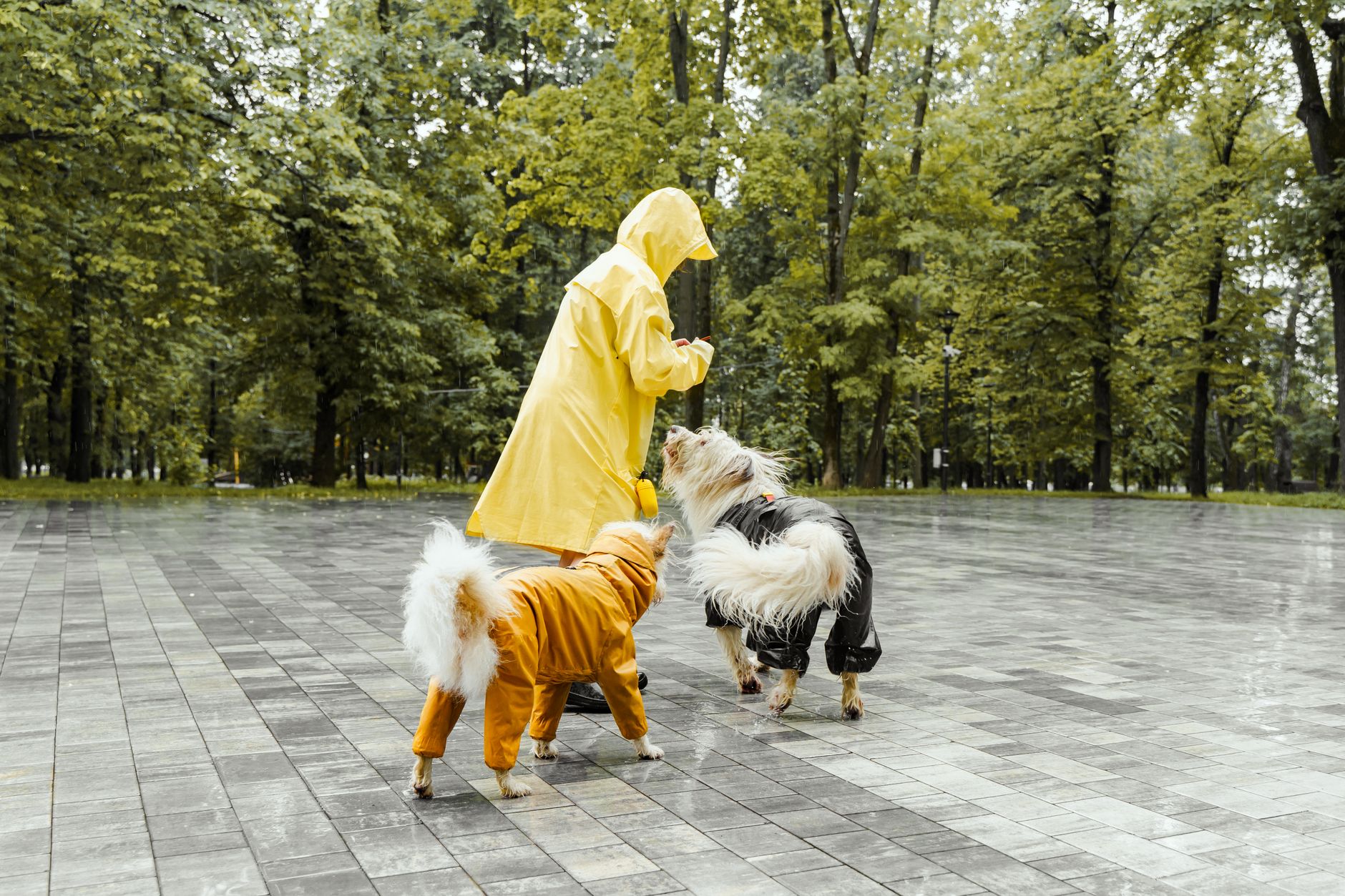
Bringing home a new puppy is a whirlwind of joy, tail wags, and very sharp little teeth. If you feel like your hands and furniture have become the primary chew toys in your household, don't worry. It is a completely normal part of puppyhood, but it is definitely something you want to manage before those tiny milk teeth turn into powerful adult jaws. Think of this as the "land shark" phase—it is temporary, but with the right approach and a bit of patience, you can save your skin and your slippers while building a stronger bond with your furry friend.
Understanding the Teething Phase
The first step to stopping the behavior is understanding why it happens in the first place. Puppies explore the world with their mouths, much like human babies use their hands. For a pup, biting is a way to play, communicate, and relieve the significant physical discomfort of teething. Most puppies start losing their baby teeth around four months of age, and the pressure of chewing helps soothe their sore, inflamed gums. By recognizing that this isn't aggression but a biological need, you can approach training with a calm mind. Your goal is to teach them "bite inhibition"—the ability to control the force of their mouth—and to redirect that natural chewing energy toward appropriate objects.
Actionable Redirection Techniques
When your puppy nips your hands or feet, the most effective response is a calm but firm redirection. Keep a variety of high-quality toys within arm's reach at all times. The moment those teeth touch your skin, let out a high-pitched "Ouch!" or a "Yip!" similar to what a littermate would do if play got too rough. This usually surprises the puppy into stopping for a second. Immediately offer a sturdy chew toy or a rubber ring instead. When they start chewing the toy, shower them with praise and affection. This teaches them a clear lesson: biting humans ends the fun, but biting toys leads to rewards and attention. If they continue to go for your ankles while you walk, try standing perfectly still. Movement often triggers their natural prey drive, so becoming "boring" makes the biting much less rewarding for them.
Consistency and Environmental Relief
Training works best when you set your puppy up for success by managing their environment. If you have expensive shoes or kids' toys lying around, move them out of reach to avoid temptation. Use baby gates or a playpen to limit their access to "forbidden" chewable items when you cannot supervise them directly. To help with the physical pain of teething, try offering frozen treats. A damp washcloth twisted into a knot and frozen, or a hollow rubber toy filled with frozen wet food, can provide hours of cooling relief for sore gums. Remember, a tired puppy is usually a well-behaved puppy. Ensure they get enough mental stimulation and physical exercise throughout the day, as many puppies bite more aggressively when they are over-tired or under-stimulated. Consistency is your best friend here; ensure everyone in the household follows the exact same rules to avoid confusing your pup.
→ Shop How to Stop Your Puppy from Biting Everything on Amazon